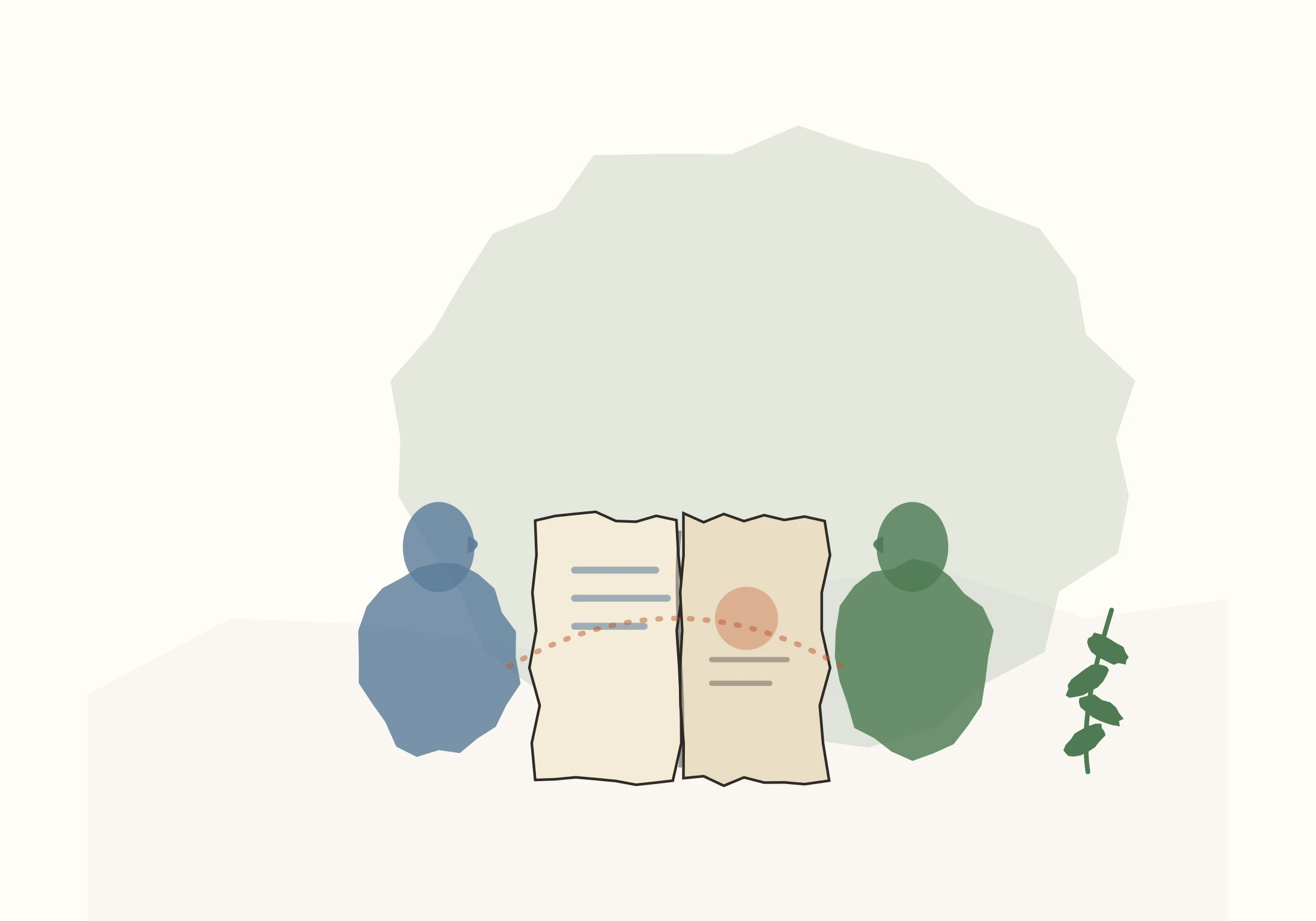
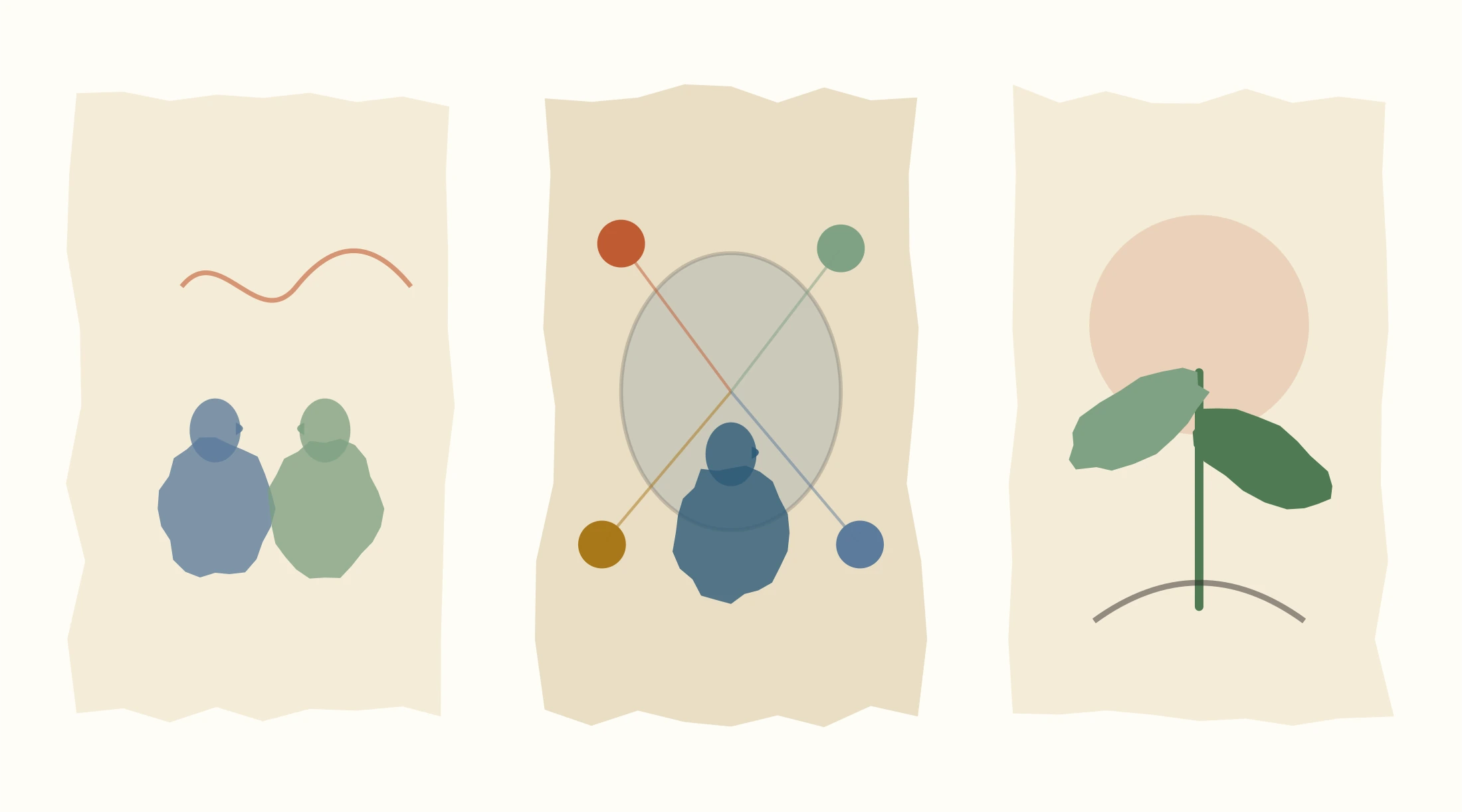
Reading twenty honest reflections about yourself, even loving ones, is one of the more intense things a person can choose to do. For this reason, Seen From Many is built around a simple rule: you do not open your portrait alone. Two roles carry that rule. A Support Person walks beside you. A confidante reads beside you.
The Support Person, asked of everyone
Before your invitations go out, you name at least one Support Person: someone who knows you are doing this and has agreed to be alongside you for it. They receive an email when your circle launches and another the day your portrait opens, so that on the most tender day of the practice, someone who cares about you knows it is happening.
A Support Person never sees the portrait itself. They know the dates, not the words. Their role is presence: a walk, a phone call, a check-in in the days that follow. You can name several Support People, and one is required for every circle. If you would like a Support Person to read the portrait too, you can grant them full confidante access with a single checkbox when you set up your circle.
What a confidante is
A confidante is optional, and warmly recommended. You appoint one or more people you deeply trust, and they receive full access. They see everything you see, the moment you see it: every theme, every quote, every hard and beautiful sentence.
They do not see a filtered version. They see the whole portrait. Support that can see only half the picture can offer only half the holding. That is the difference between the two roles: a Support Person holds you; a confidante holds the portrait with you.
Co-regulation
Difficult feedback lands differently when someone sits beside you. Nervous systems settle in company. This is not a metaphor. It is physiology.
Perspective
You will be tempted to fixate on the one hard sentence and pass over the nineteen warm ones. Your confidante helps you keep the whole portrait in view.
Integration
Insight fades unless it is spoken. The report ends with paired reflection prompts written for you and your confidante to work through together.
Choosing well
A good confidante is someone who can hear hard things about you without needing to fix you, defend you, or agree with everything. Often this is a close friend, a sibling, a partner, a therapist, or a mentor. Choose someone who:
Loves you and can tolerate your discomfort without rushing to erase it.
Can hold confidence absolutely. What lives in your portrait stays between you.
Has real time in the weeks your report opens. This is a role of companionship, not a title.
Is, ideally, not also a Reflector in your circle, so that they can stand fully on your side of the glass. If they are both, that can work too. Simply name it together.
Who sees what
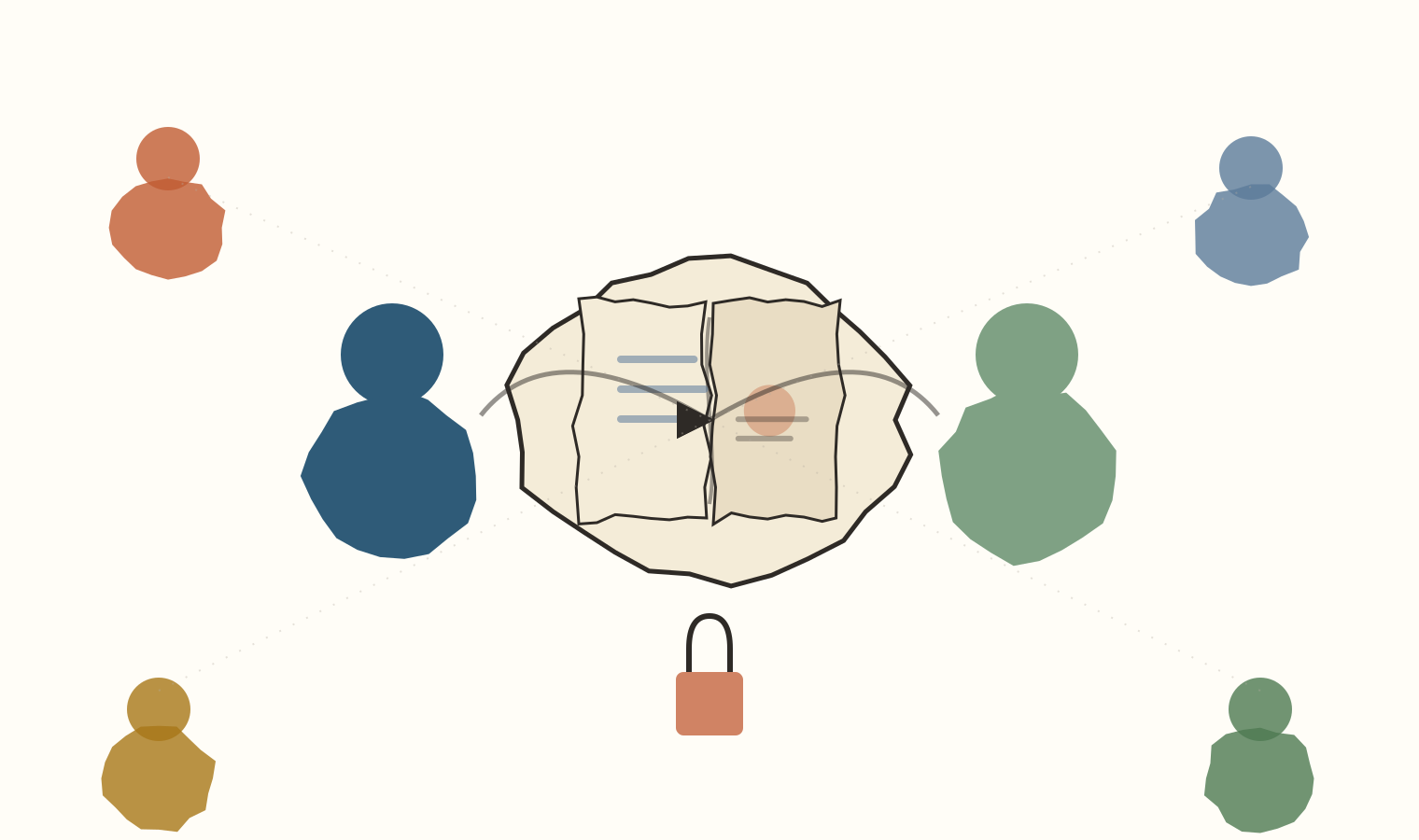
The permissions are simple, and they are absolute. Reflectors see only their own answers. You and your confidante see the finished portrait, with every reflection anonymous. Your Support Person sees none of it: they are told when the circle launches and when the portrait opens, and nothing more. No Reflector ever sees another Reflector's words.
A ritual worth keeping
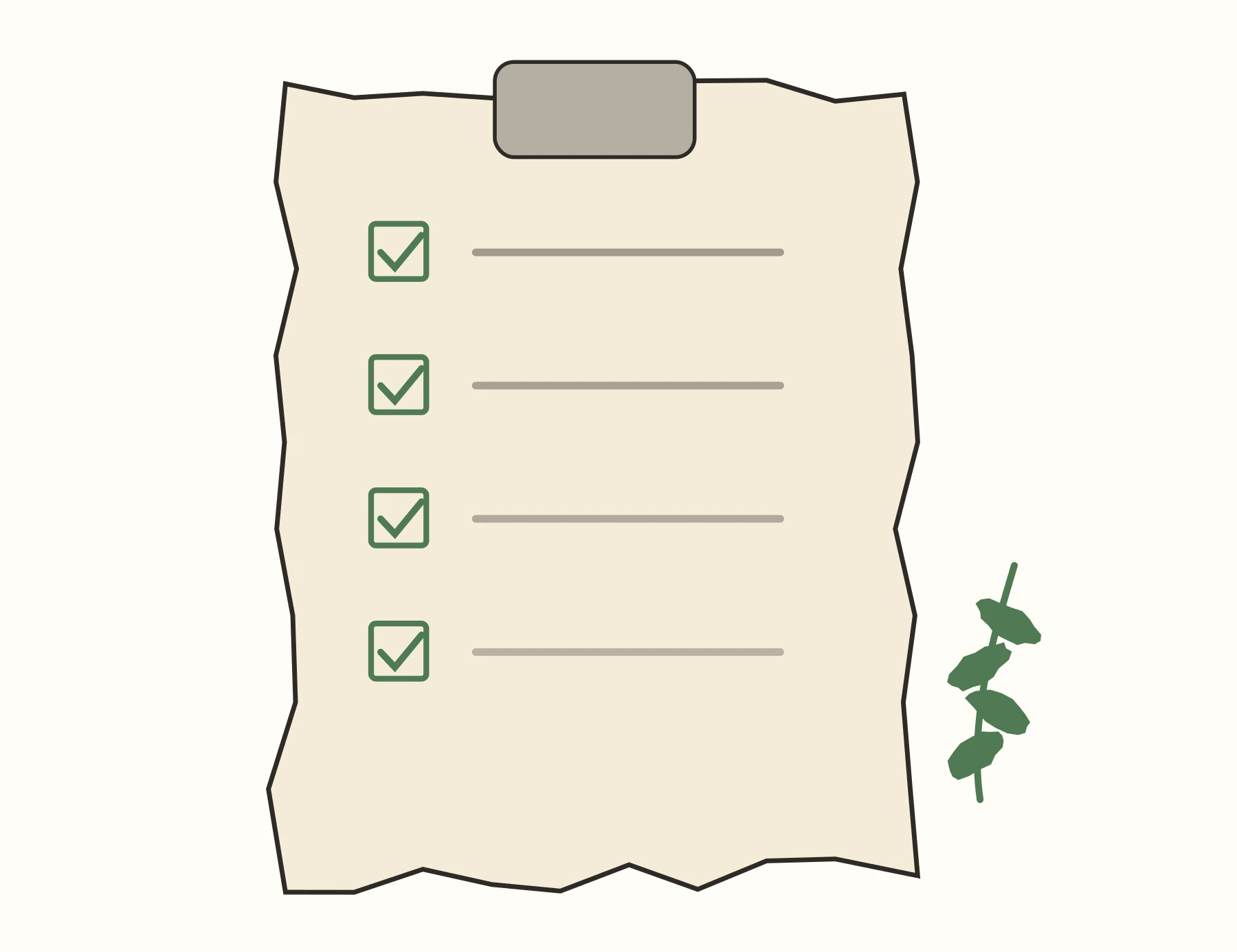
When your report opens, please do not skim it alone at midnight on your phone. Instead:
Set a date
Choose an unhurried evening with your confidante, in person or on a call, within a week of the report opening.
Read it aloud, in order
The report is sequenced deliberately. Grounding comes first, strengths before edges, integration last. Take turns reading sections aloud, and pause often.
Name what lands
For each section, ask: What confirms what you knew? What surprises you? What stings, and is there truth inside the sting?
Choose one thing
Not ten. Choose one pattern to work with over the next season. Your confidante helps you pick it, and checks in on it.
Ready? Setting up your circle asks you to name your Support Person, and invites you to appoint a confidante as well.
The confidante role draws on what group therapy has long known about co-regulation and about being accompanied. You can read about the traditions behind Seen From Many.