Take care of yourself

Support & Resources

Being seen honestly by the people in your life is meaningful work, and meaningful work can be psychologically challenging. This page is here for every part of the process, and for everyone in it: the person receiving reflections, the people writing them, and confidantes.

If you are in crisis right now

Please reach for real help, not a website. These services are free, confidential, and available around the clock in the United States:

988 Suicide & Crisis Lifeline. Call or text 988, or chat at 988lifeline.org. For veterans, press 1 after dialing.
Crisis Text Line. Text HOME to 741741 to reach a trained crisis counselor.
The Trevor Project (for LGBTQ+ young people). Call 1-866-488-7386 or text START to 678678.
Emergency. If you or someone else is in immediate danger, call 911 or go to your nearest emergency room.
Outside the United States. findahelpline.com lists crisis services by country.
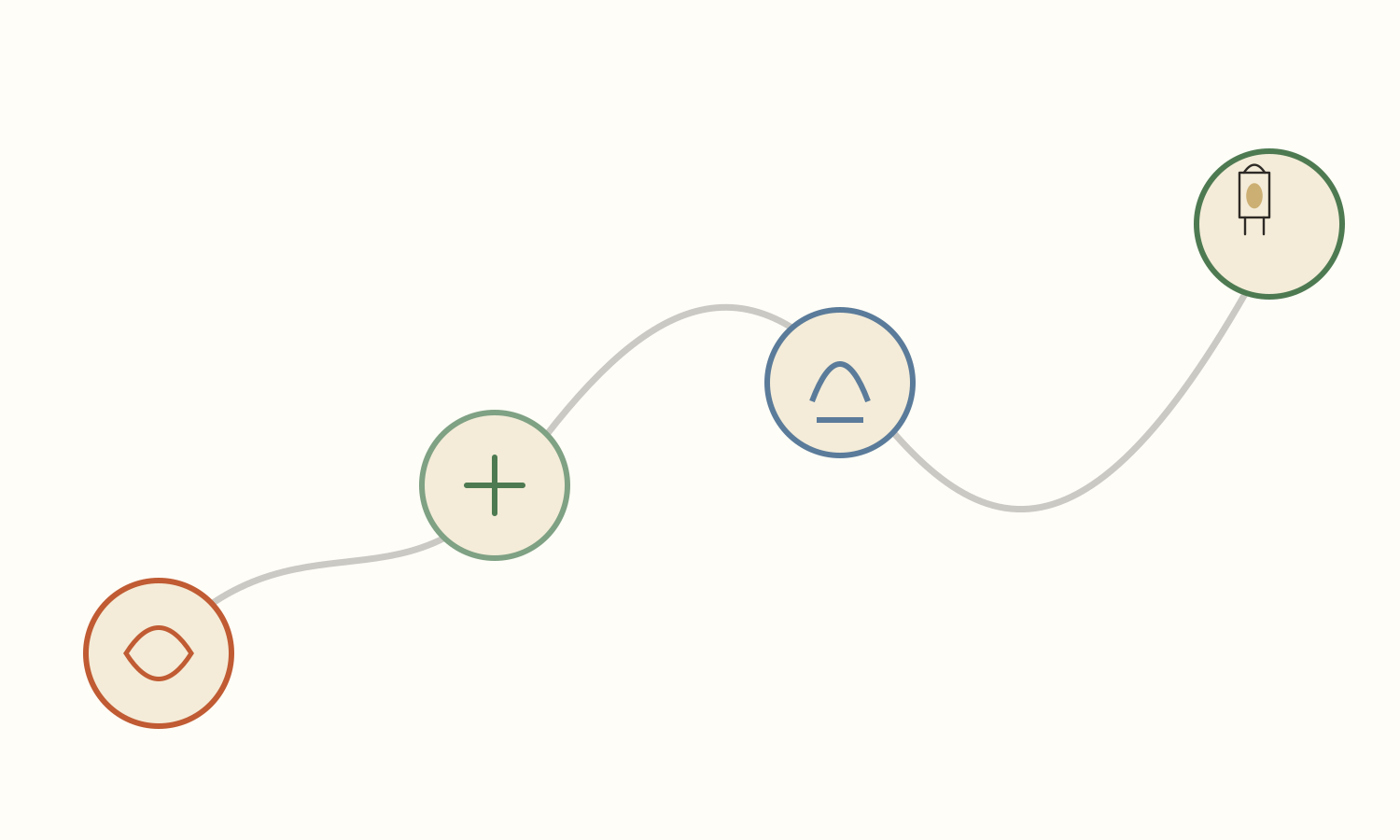
A lantern held out along a dark path, lighting the next few steps A pathway from pausing and grounding, to leaning on people you trust, to professional and crisis support

Finding ongoing support

SAMHSA National Helpline. 1-800-662-4357, a free, confidential, 24/7 referral service for mental health and substance use support.
Finding a therapist. Directories such as Psychology Today and Inclusive Therapists let you search by location, specialty, and insurance.
Peer support. The NAMI HelpLine (1-800-950-6264) offers information and support from people who understand.

This process can stir real feelings

Seen From Many asks for honesty, and honesty has weight. Most people find the experience moving and affirming, and many also meet a sentence or two that stings. A few find that the process surfaces more than they expected. All of these responses are human and normal. What matters is how you resource yourself:

Pace yourself. The report will keep. You do not need to read it in one sitting, and you can stop and return another day.
Use your confidante. They exist so that you never hold your portrait alone. Read together, talk it through, and let them keep the whole picture in view.
Ground your body. Slow breaths, a walk, a glass of water, a hand on your chest. Feedback lands better in a settled nervous system.
Bring it to therapy. If you are in therapy, your report can be rich material for your sessions. Ask your therapist whether they would be open to exploring it with you.

If you are in therapy: an important note

Please do not invite your therapist to be one of your Reflectors. Your therapist holds a specific professional role in your life, and asking them to submit feedback in this exercise blurs that role and may put them in a position their professional ethics do not allow.

There is a better path, and I warmly encourage it: once your report arrives, bring it to a session and reflect on it together, if your therapist agrees that this would serve your work. Consider mentioning Seen From Many to your therapist before your portrait opens, so the two of you can decide together how to use it.

For Reflectors and confidantes

Writing honestly about someone you care for, or accompanying someone through their report, can stir feelings in you as well: old memories, tenderness, grief, things unsaid. Please extend to yourself the same care this page describes. Pause when you need to, talk to someone you trust, and reach for the resources above if heavier feelings arrive. Your wellbeing matters here too.

Seen From Many is a personal development exercise, not therapy, and it is not a substitute for professional care. The Terms & Disclaimers explain this in full.