Seen From Many is the home of the Belser Social Reflection Practice, which draws from a century of group psychology: the Johari Window, Appreciative Inquiry, Tavistock group relations, encounter groups, Gestalt work, authentic relating, and psychodrama. I have carried the practices of the circle into a careful, asynchronous experience that people can offer one another online. Two words name the roles throughout: the people who write are Reflectors, and the person they write about is the Seen.
Stage 1 · Appreciative Inquiry
Strengths & gifts
Most feedback processes begin by asking what is wrong. This one begins with David Cooperrider's question: when have you been most fully yourself?
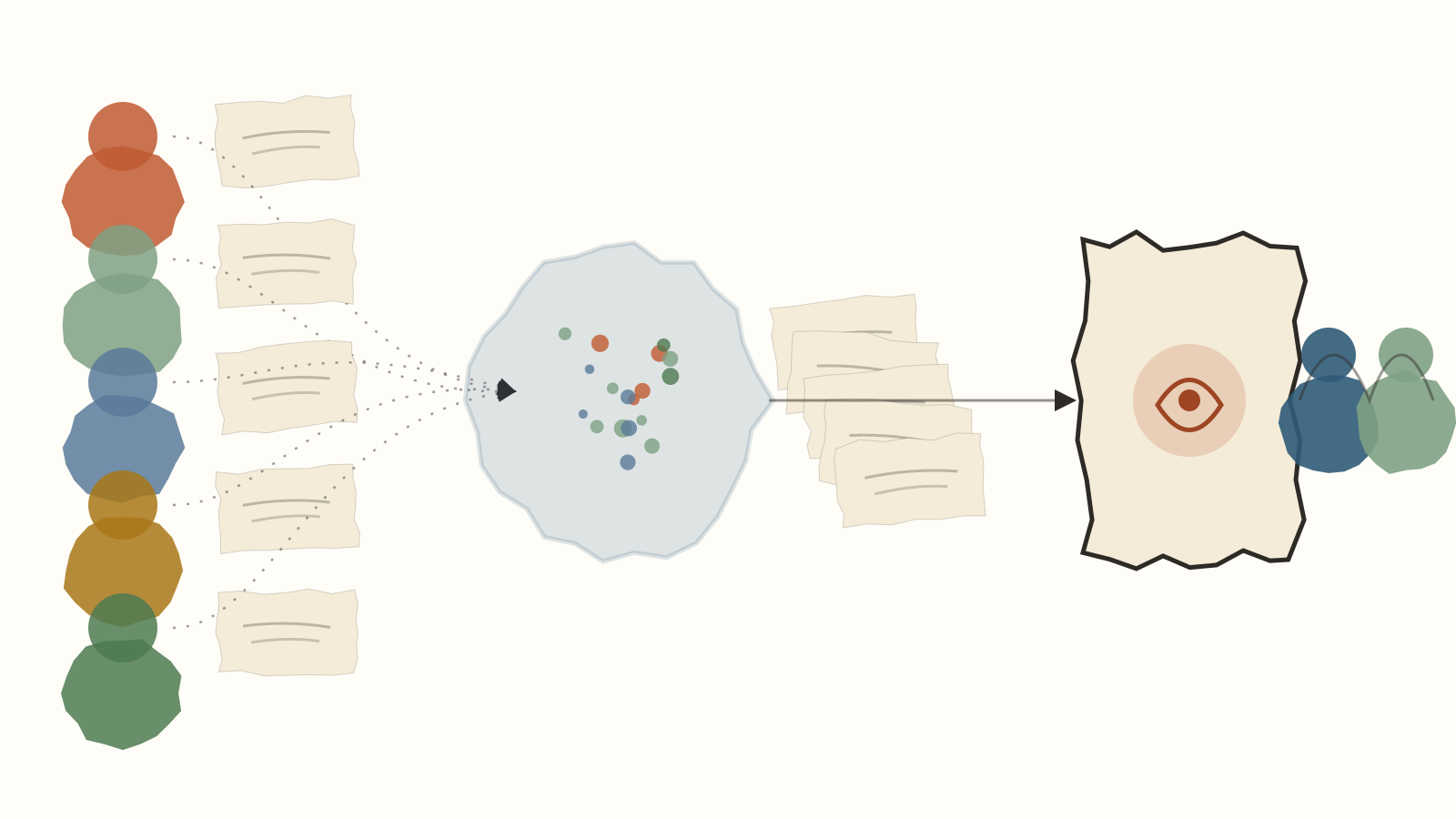
Your circle does not rate you. They remember you. Each person writes about a specific moment when they saw you at your best, about what they would naturally come to you for, about when you seem most alive, and about the strengths that have become as invisible to you as water is to a fish.
Stories reveal values in action. When twenty people tell their stories, a picture emerges of who you reliably are.
You choose eight words that describe you. Each Reflector, working independently and without seeing anyone else's choices, does the same. Where you overlap is your open self. What they chose and you did not becomes your blind spots. What you chose and no one else did becomes your hidden self.
Open-ended questions then reach where single words cannot. What might I not realize about how I come across? When do I get in my own way? No single answer is a verdict. When five people independently say the same thing, it is worth sitting with.
Reflectors respond to the felt experience of being with you. They consider statements such as "I feel truly heard when we talk" and "when tension arises, it feels safe to name it." They also complete sentence stems in the first person and the present tense, in the manner of Circling practice: "When I'm with you, I notice I feel..." and "I feel closest to you when..."
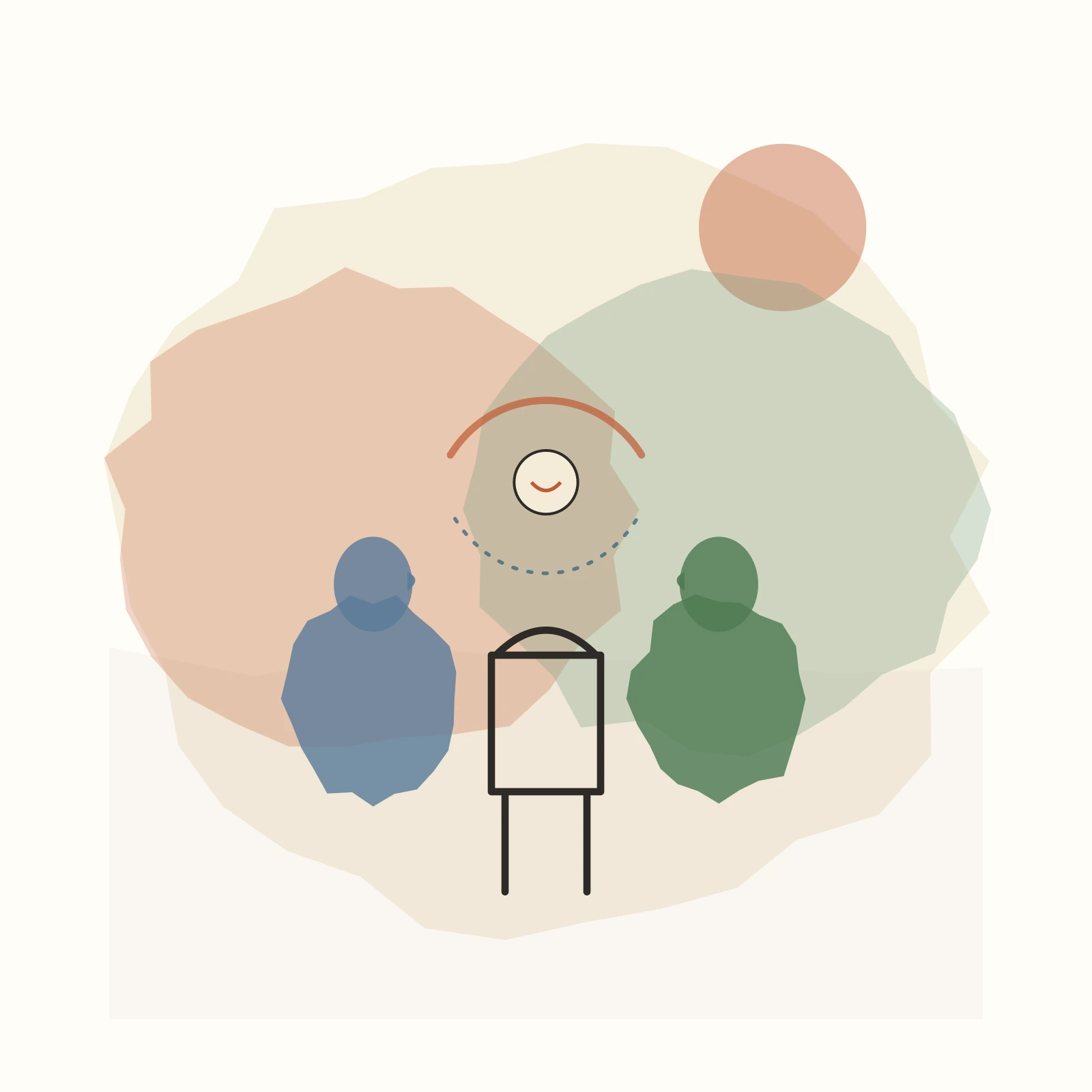
Each person then borrows the empty chair from psychodrama and Gestalt therapy. They imagine you sitting across from them, able to really hear them, and they write what they would say. These are often the most moving words in the whole report.
Stage 4 · Narrative & future
Life direction
This movement draws on narrative identity research. The people who know you carry an image of who you are becoming. Reflectors sort twelve cards, each describing a kind of life or work, into three piles: deeply fits, could fit, and not their path. When your circle converges here, the result often points somewhere surprising.
They finish by describing the future they hope to see for you in ten years, naming what they hope you never lose, and writing one sentence directly to you. It begins, "One truth I hope you'll carry with you is..."
Anonymity, honestly explained
No names, no labels. Responses appear in your report in the writer's own words, with no name and no attribution of any kind. Each question's answers are gathered with everyone else's and shown in a random order, so answers cannot be linked across questions.
A minimum of five, and the more the richer. Your report opens only after at least five people have responded, so that no reflection can be traced to a single voice. Five is the floor, not the aim: eight is good, twelve is better, and twenty friends, family members, and colleagues lets you be seen from many angles. Responses are shared only with you and your confidante, and never among Reflectors.
Honesty with care. Reflectors are asked to be truthful and kind, and to offer their feedback as a gift rather than a verdict. The prompts themselves are written to draw out that care.
A real deadline. The window is three weeks, with gentle reminders after the first and second week. The deadline is there so that reflection actually happens.
Standing on shoulders
This practice did not begin with me. Seen From Many braids together practices from a century of group psychology, including the Johari Window, Appreciative Inquiry, the wider tradition of 360-degree feedback, T-groups, Gestalt work, psychodrama, and Circling. I also gladly acknowledge the Reflected Best Self Exercise as an inspiration, itself a practice that draws from existing frameworks. Seen From Many, offered as the Belser Social Reflection Practice, is independent, and it is not affiliated with or endorsed by the University of Michigan or the Center for Positive Organizations. I believe that honoring a lineage is part of practicing it well. I am Dr. Alex Belser, a licensed psychologist and clinical scientist, and I built this practice with that lineage in mind. Read about the project and its acknowledgments, or read what the practice keeps from these traditions and what it newly adds.
This is not therapy
Seen From Many is a structured practice of self-knowledge. It is not treatment, and it is not a substitute for professional support. It can stir real feelings, which is part of why the process asks you to appoint a confidante before you begin, and why the report opens with grounding and closes with integration prompts. If you are in a fragile season, consider waiting, or consider doing this alongside a therapist. One boundary is worth naming here: if you are in therapy, please do not invite your therapist as a Reflector. Instead, bring your finished report to a session to explore together, if your therapist agrees. Please also read the Terms & Disclaimers, and keep the Support & Resources page close. It lists crisis lines and ways to find support at any hour.