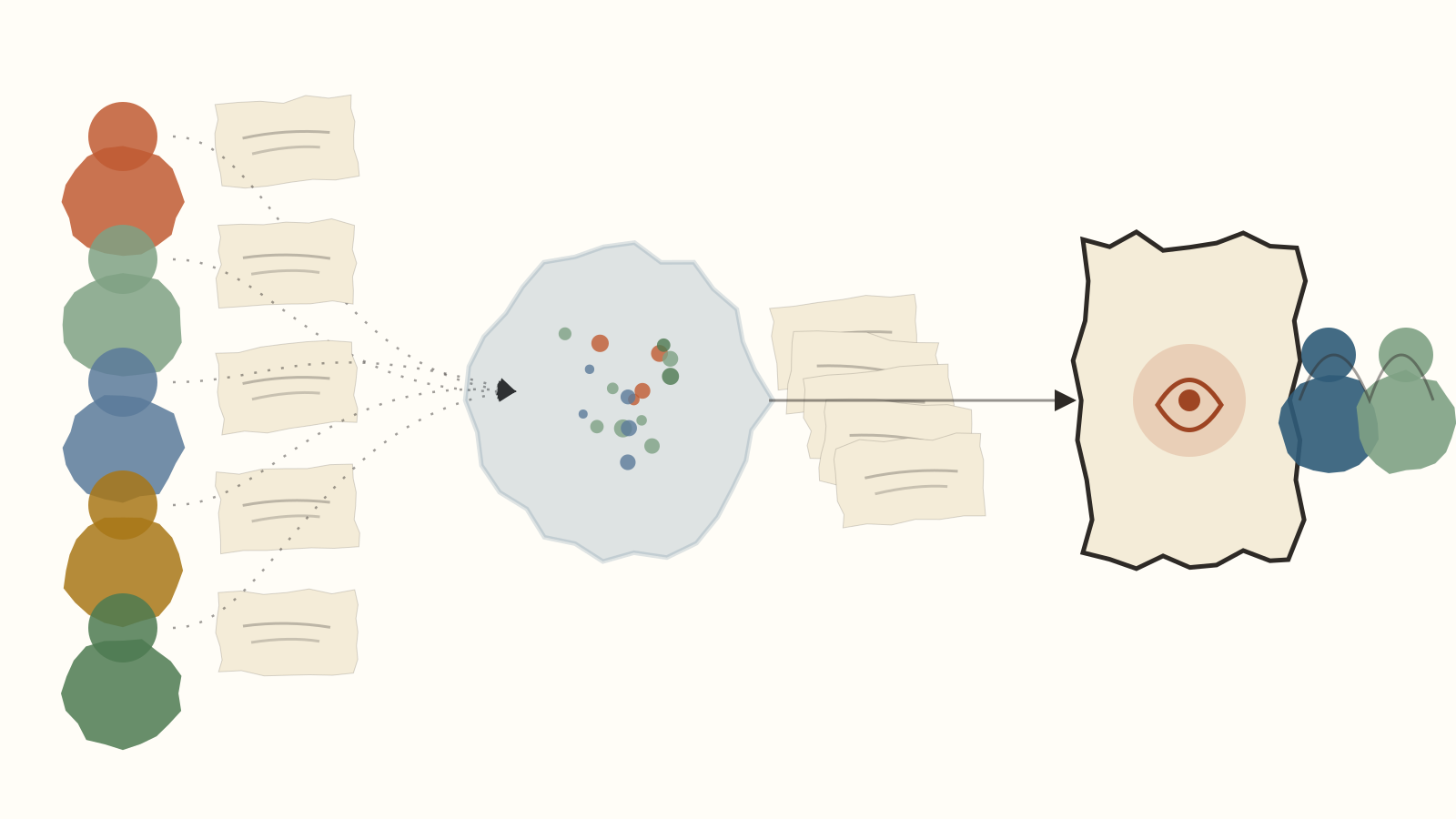
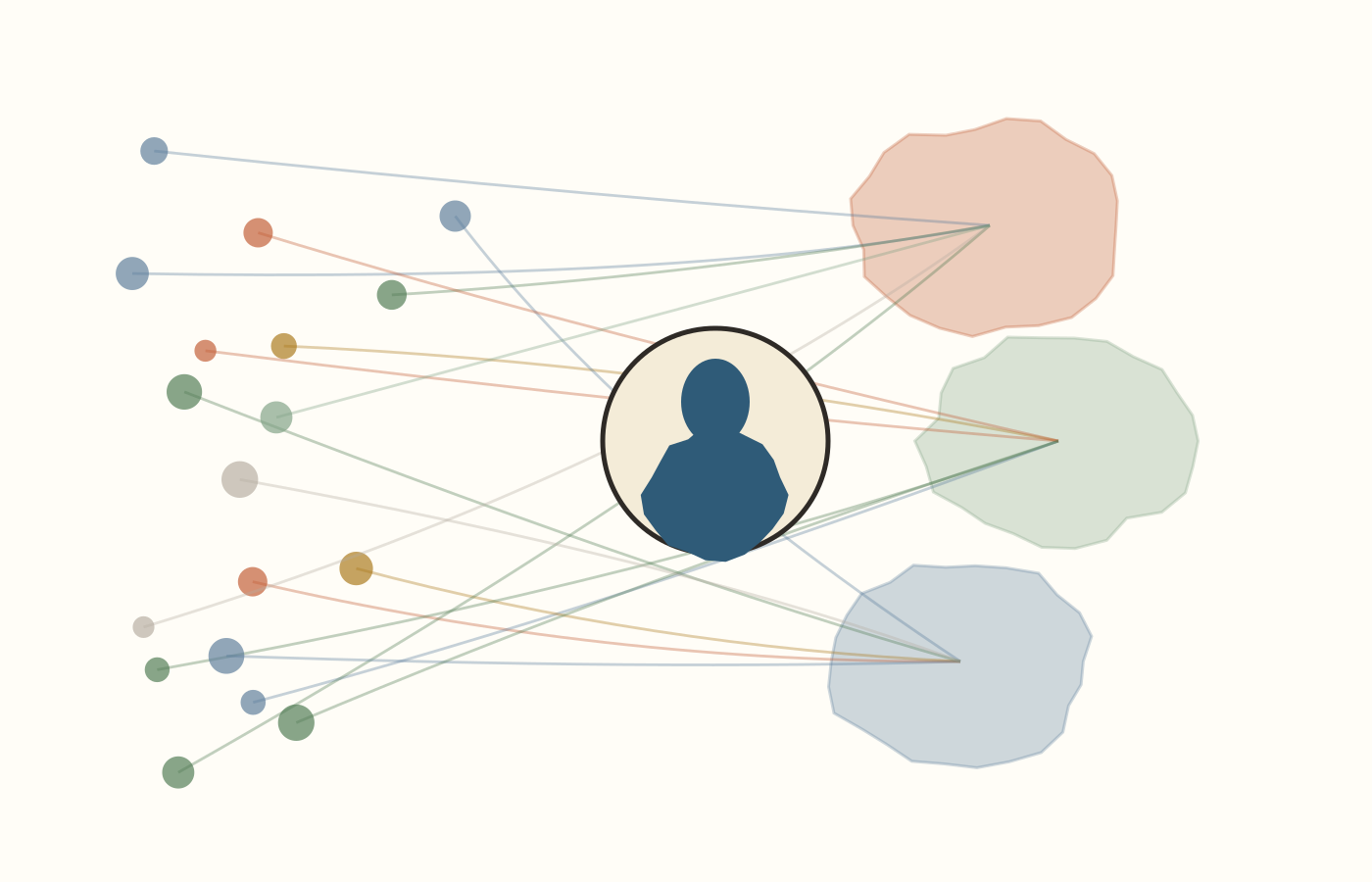
Seen From Many invites the people who know you, from family and close friends to colleagues and mentors, to reflect back what they see in you. They write about your gifts, your blind spots, what it feels like to be with you, and the future they can imagine for you. Their responses are anonymous, and they are gathered with care into your relational portrait.
Reflectors need twenty to thirty minutes. Responses are anonymous. You name a Support Person, and can appoint a confidante, so that you are not alone with what you learn.
You choose your own descriptive words, name your intention, name your Support Person, and invite people from different corners of your life. Five is the minimum, eight is good, twelve is better, and twenty lets you be seen from many angles.
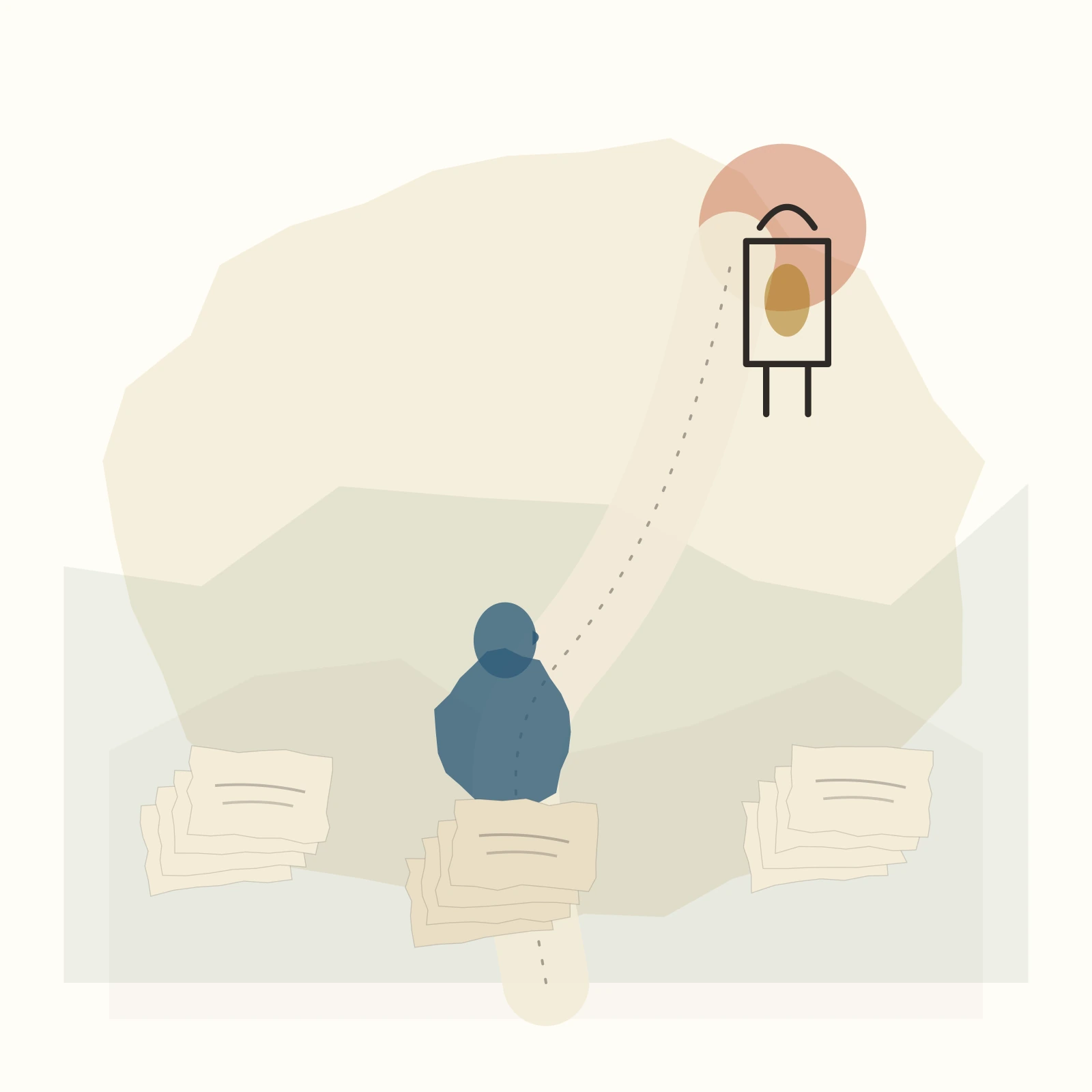
Each person receives a private link and twenty to thirty minutes of thoughtful activities: stories, descriptive words, rating scales, sentence stems, a card sort, and a few words meant just for you. Gentle reminders go out after the first and second week.
Once at least five people have responded, your relational portrait is composed. It holds your Johari window, the recurring themes, the felt experience of you, and the futures your people imagine. Your confidante sees it too.
The report ends with guided reflection prompts to work through with your confidante, and an invitation to repeat the practice in a year or two so that you can watch yourself change.
Not sure yet? Rehearse the Reflector's side with a real person in mind, nothing saved, or read more about how it works first
The Belser Social Reflection Practice is grounded in the Johari Window, in Appreciative Inquiry, and in a century of group practice. I have carried these traditions into an experience that is warm, structured, and safe.
The people in your circle remember moments when you were at your best. They write about the strengths that have become so natural to you that you no longer see them.

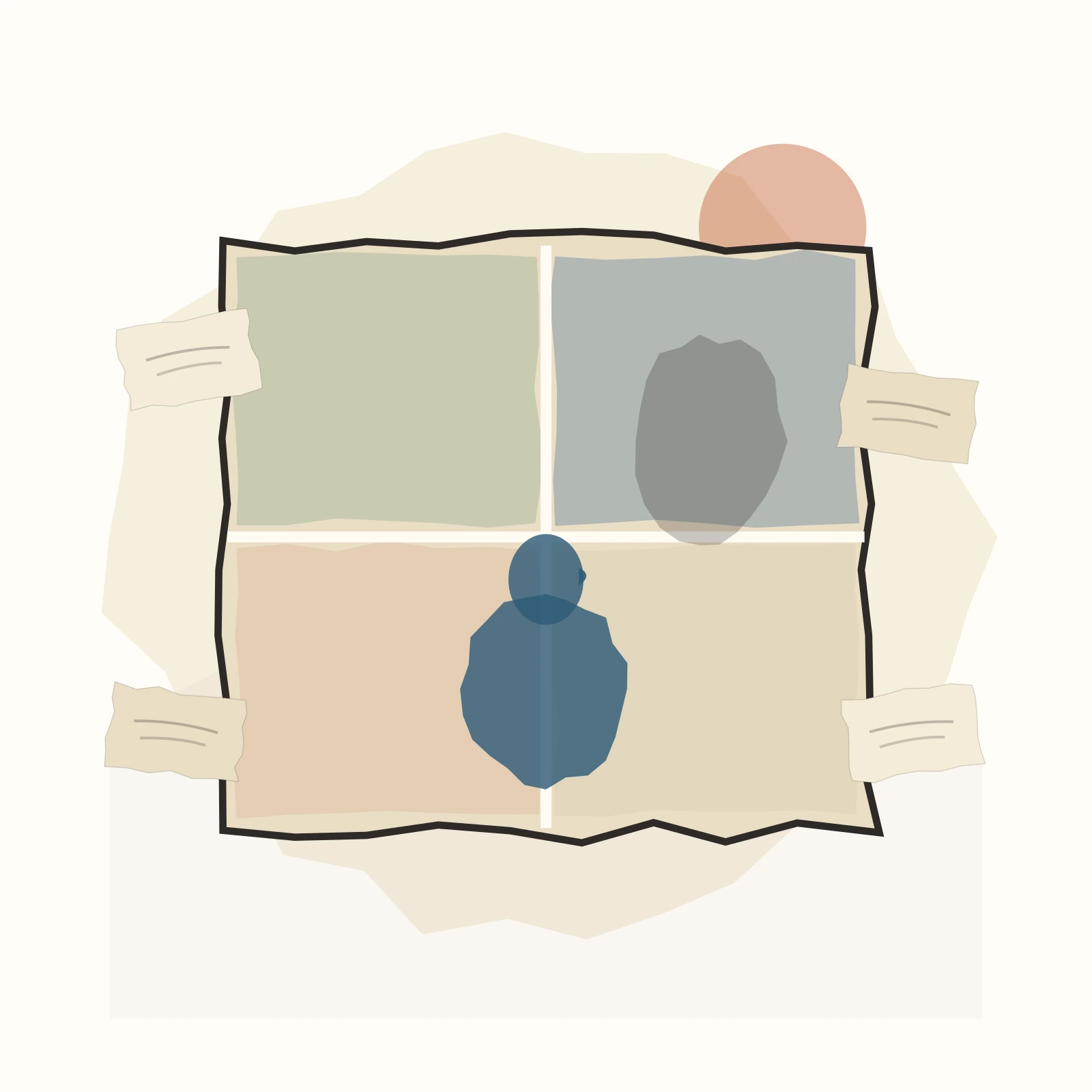
You and your circle choose descriptive words independently. The overlaps and the differences reveal what others see that you may not. These reflections are offered gently, and never as a verdict.

How does it feel to be with you? Your circle reflects on closeness, conflict, trust, and presence in your relationships.

The people who love you consider possible futures and describe the life they can imagine fitting you best.

Any single opinion about you is only an opinion. When people from different eras of your life, writing independently, converge on the same reflections, you are looking at something real.
Responses are never shown with names. You will know how many people shared a reflection, but never who wrote what. This is what makes honesty possible.
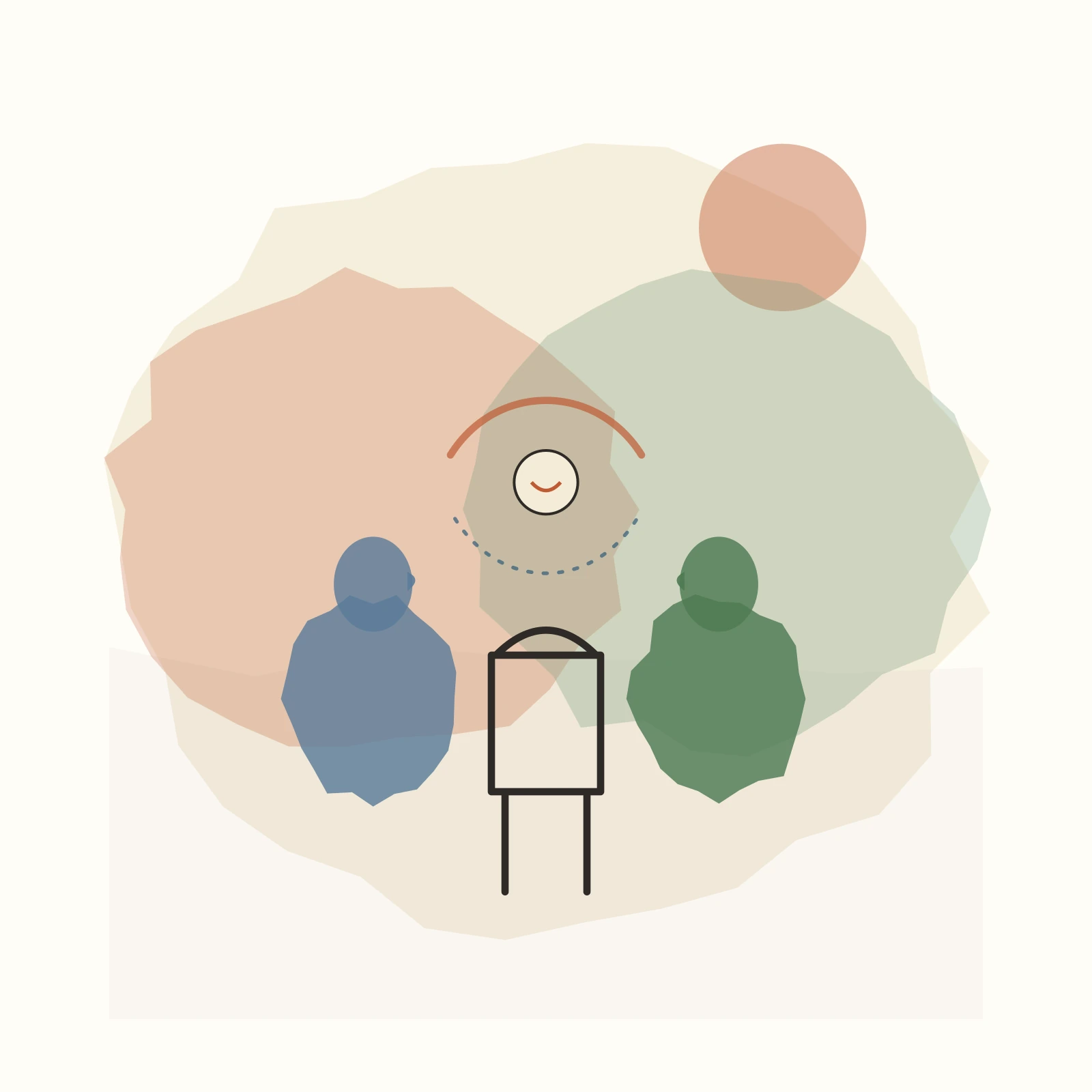
Reading your portrait can be intense. You appoint a confidante, a trusted person who sees everything you see and walks through it with you. Why this matters
The report does not rank you. It gathers patterns. What many people see independently is more trustworthy than what any one person believes.
Your portrait holds the stories of you at your best, your Johari window, the recurring themes, the felt experience of being with you, and the futures your people imagine. It opens once at least five people have responded, and your confidante sees it with you.

Seen From Many exists to make that rare thing possible. The process is structured enough to be safe and honest enough to matter.
Seen From Many stands on the shoulders of Luft and Ingham, Cooperrider, Lewin, Moreno, the Perls, Yalom, the creators of the Reflected Best Self Exercise, and many others. I am Dr. Alex Belser, a licensed psychologist and clinical scientist, and I built this practice on their shoulders. You are welcome to read about the project and its lineages.